




What are human rights?
Human Rights in Ontario
Human rights are rights we have because we exist as human beings. Everyone is entitled to a life of equality, dignity, and respect, free from discrimination. Human rights are recognised and protected by a set of international and Canadian laws. In Ontario, human rights are protected by the Ontario Human Rights Code. It is a provincial law that helps to make sure that everyone enjoys equal rights and opportunities without discrimination in areas such as employment, housing and services.
Tackling anti-Black racism and discrimination in education
The Ontario Human Rights Commission (OHRC) recognizes the struggles stemming from systemic anti-Black racism in education, which impedes and stifles progress for many Black communities across Ontario for generations. The recent rise and increased visibility of anti-Black racism in Ontario has sparked and renewed persistent calls to combat these issues. Systemic anti-Black racism in Ontario’s publicly-funded education system is a crisis.
Read the report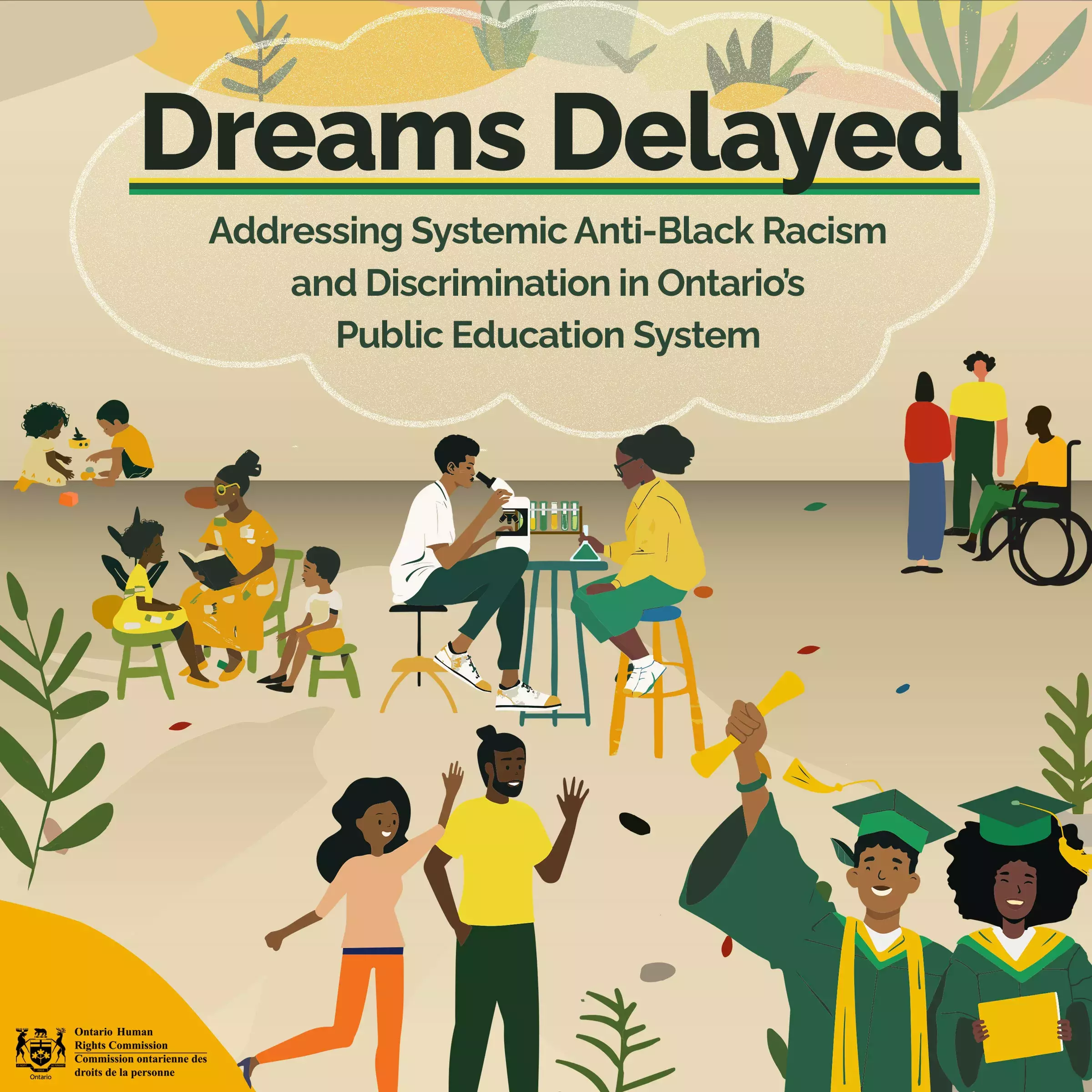
From Impact to Action: Final report into anti-Black racism by the Toronto Police Service
We have heard the accounts for decades – stories of harm, conflict and fear resulting from anti-Black racism in policing. Some incidents received local, national or global media attention. Others, perhaps more damaging, did not capture the headlines, but are simply shared between friends or within communities. For all members of society, these accounts can bring sadness, anger or shame. But for Black communities, the impact and pain caused by discriminatory policing run deeper. These are not stories – they are lived experiences.
Read the report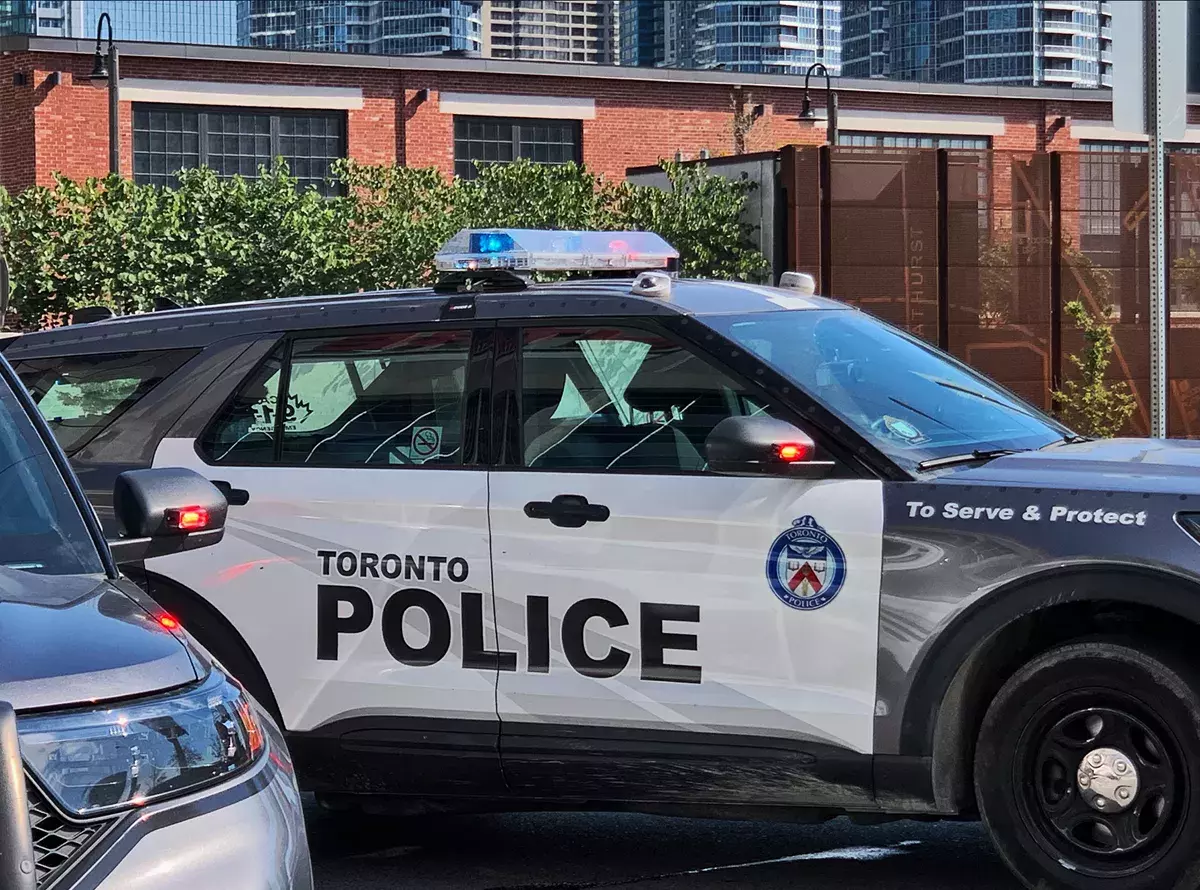
Human Rights Based Approach
People with multiple, intersecting identities may be particularly vulnerable to discrimination, such as Indigenous women and girls, older East Asian people and racialized people with a disability. Policy and program decisions that don’t consider the unequal burdens and systemic discrimination faced by people may be in violation of the Code.
Read the report
The Code was one of the first laws of its kind in Canada. The Code’s goal is to prevent discrimination based on 17 different personal attributes – called grounds. The Code prevails over all other laws in Ontario.
The OHRC’s eLearning program is informative and engaging. All Ontarians can learn about their human rights and responsibilities at their own time and pace. Learning about human rights is just a click away.
If you need human rights legal advice or help filing an application with the Human Rights Tribunal of Ontario, contact the Ontario Human Rights Legal Support Centre
In the Human Rights System, complaints are called “applications”. If you think your rights under the Code have been violated, file an application directly with the Human Rights Tribunal of Ontario.